Use these instructions to care for an Asparagus Fern. This guide will tell you how to water an Asparagus Fern; its light, temperature, humidity preferences and any additional care it might need to help it grow.
The Asparagus Fern flourishes in indirect, bright light. Direct exposure might discolor the plant, but at the same time, you want to make sure it receives a moderate amount of sun. This will keep the foliage from turning yellow.
Excellent Asparagus Fern care strikes a balance between keeping the soil moist while avoiding overwatering. In between waterings, you’ll also need to let the top inch of soil dry out, specifically in the winter.
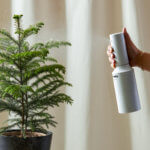
Asparagus Fern loves humidity, and one way to keep its foliage content is by misting the plant regularly. You can also place its container on a pebble tray with water. Because the Asparagus Fern provides the perfect color contrast and surface cover, you can group it with other plants as well.
Your Asparagus Fern will also like to stay warm in temperatures up to 70 °F. Cold temperatures or sudden changes cause the cladodes (the leaf-like parts) to fall off.
Optimal Asparagus Fern care involves monthly fertilizing with an all-purpose formula . Diluting the fertilizer to half strength maintains the thick bright green foliage.
The leaves and sap might irritate skin on both humans and animals. In the event the plant flowers and sprouts berries, remember that both are toxic to humans and animals.
You can propagate this plant by planting its berries or by separating the plant at its roots to replant.
Your Foxtail Fern does well in low to bright indirect light. The lower light it gets the slower it will grow and its leaves will be more of a pale green. Watch out for too much light as it can burn the foliage.
Water your Foxtail Fern when the soil volume is 50% dry. Water thoroughly until it flows out of the drainage hole. Discard the excess water in the saucer to avoid root rot.
The Foxtail Fern is more forgiving than normal Ferns but appreciates some extra humidity. Mist often , add a pebble tray or place a humidifier nearby.
This plant prefers temperatures between 55-80°F.
In the spring and summer, fertilize your fern once a month with an all-purpose fertilizer diluted to half strength.
The Foxtail Fern is considered toxic to humans and pets if ingested.
To keep its bushy appearance, prune your plant when it starts to become overgrown. Be sure to wear gloves as its milky sap can cause skin irritations.


The asparagus fern plant is prized for its feathery foliage and is relatively easy to grow indoors. Its sprawling nature also makes it a popular plant to place in a hanging basket. Its leaves are actually branchlets and can become woody over time as it spreads out into an attractive mound. A happy asparagus fern will eventually grow berries; however, this plant and its fruit are toxic to humans and pets.
This beautiful, ornamental plant has other common names including asparagus grass and foxtail fern. However, it is not actually a true fern, but a relative of lilies. It is also considered an invasive species in regions such as Hawaii, Florida, and New Zealand.