Use these instructions to care for an Begonia. This guide will tell you how to water an Begonia; its light, temperature, humidity preferences and any additional care it might need to help it grow.
Your Begonia prefers medium to bright indirect light. Direct light can burn the leaves.
Water when the soil volume is 50-75% dry. Water thoroughly until you see water flow out of the drainage hole. Discard any excess water in the tray after a few minutes.
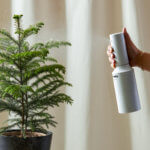
Your Begonia prefers a humid environment but does not tolerate misting. Use a pebble tray or humidifier instead.
Your Begonia will do well in average room temperatures between 65-80°F.
Feed once a month during the spring and summer with an all-purpose fertilizer for indoor plants. Never apply fertilizer to dry soil.
Your Begonia is considered toxic to pets and humans if ingested.
Begonias are prone to powdery mildew that can occur if their leaves are kept wet, so avoid getting the leaves wet during watering and do not mist the plant. Brown leaf edges can be trimmed away with a pair of plant snips ; this indicates the plant would benefit from a boost in humidity.
Your Begonia prefers medium to bright indirect light. Direct light can burn the leaves.
Water when the soil volume is 50-75% dry. Water thoroughly until you see water flow out of the drainage hole. Discard any excess water in the tray after a few minutes.
Your Begonia prefers a humid environment but does not tolerate misting. Use a pebble tray or humidifier instead.
Your Begonia will do well in average room temperatures between 65-80°F.
Feed once a month during the spring and summer with an all-purpose fertilizer for indoor plants. Never apply fertilizer to dry soil.
Your Begonia is considered toxic to pets and humans if ingested.
Begonias are prone to powdery mildew that can occur if their leaves are kept wet, so avoid getting the leaves wet during watering and do not mist the plant. Brown leaf edges can be trimmed away with a pair of plant snips ; this indicates the plant would benefit from a boost in humidity.
Your Begonia prefers medium to bright indirect light. Direct light can burn the leaves.
Water when the soil volume is 50-75% dry. Water thoroughly until you see water flow out of the drainage hole. Discard any excess water in the tray after a few minutes.
Your Begonia prefers a humid environment but does not tolerate misting. Use a pebble tray or humidifier instead.
Your Begonia will do well in average room temperatures between 65-80°F.
Feed once a month during the spring and summer with an all-purpose fertilizer for indoor plants. Never apply fertilizer to dry soil.
Your Begonia is considered toxic to pets and humans if ingested.
Begonias are prone to powdery mildew that can occur if their leaves are kept wet, so avoid getting the leaves wet during watering and do not mist the plant. Brown leaf edges can be trimmed away with a pair of plant snips ; this indicates the plant would benefit from a boost in humidity.
Your Polka Dot Begonia will do the best bright indirect light. It will tolerate medium light but watch to make sure your plant does not become leggy and stretch for the sun. However, do not place in full sun, as the leaves can burn and dry out.
Water when the soil volume is 50-75% dry. Water thoroughly until you see water flow out of the drainage hole. Discard any excess water in the tray after a few minutes.
Your Begonia prefers a humid environment but does not tolerate misting. Use a pebble tray or humidifier, instead.
Your Begonia will do well in average room temperatures between 65-80°F.
Feed once a month during the spring and summer with an all-purpose fertilizer for indoor plants. Never apply fertilizer to dry soil.
Your Begonia is considered toxic to pets and humans if ingested.
Begonias are prone to powdery mildew that can occur if their leaves are kept wet, so avoid getting the leaves wet during watering and do not mist the plant. Brown leaf edges can be trimmed away with a pair of plant snips ; this indicates the plant would benefit from a boost in humidity.

These popular, colorful, leafy plants are aesthetically pleasing with their unusual leaf shapes and gorgeous blooms. They are relatively easy to care for and appreciate a humid environment.
Begonias are native to Central and South America, Asia, and sub-Saharan Africa. They typically grow in cool, damp, tropical rainforests, though they can sometimes adapt to drier climates.
Begonias have a succulent-like stem, which is great for storing water! This means they can go a little longer between waterings.