Use these instructions to care for an Bromeliad. This guide will tell you how to water an Bromeliad; its light, temperature, humidity preferences and any additional care it might need to help it grow.
Your bromeliad prefers indirect bright light like from a sunny eastern window. Too little light and the plant will not produce new pups and flowers, but too much light will burn the leaves.
Bromeliads are unique in that you water the center of the plant instead of the soil. Keep the center of the plant filled with water at all times – up to halfway. Every few weeks, empty any water, rinse and fill with fresh water. This helps prevent salt and mineral buildup. Only water the soil when it is 100% dry. When watering the soil, water until liquid flows through the drainage hole at the bottom of the pot and discard any water that has accumulated in the saucer.
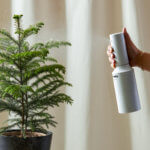
This plant prefers a humid environment. Mist often, place a humidifier nearby, or use a pebble tray.
Your bromeliad prefers temperatures between 60-80°F.
Bromeliads are similar to air plants in that they take in nutrients through their foliage. Use a foliar fertilizer spray on your bromeliad 1-2 times a month during spring and summer. You can use a foliar spray made for orchids or air plants.
Your Bromeliad is non-toxic and pet friendly. The leaves can cause contact dermatitis in some individuals, so consider wearing gloves when handling the plant.
Bromeliad leaves have special epidermal cellular structures called trichomes that absorb water and minerals from the leaf’s surface. These plants are mostly epiphytic in the wild, which means they grow on rocks and trees, so these trichomes are pretty important. You’ll notice these as waxy white deposits on your plant’s leaves. There’s no need to remove this coating; just let nature do its thing!
Your bromeliad prefers indirect bright light like from a sunny eastern window. Too little light and the plant will not produce new pups and flowers, but too much light will burn the leaves.
Bromeliads are unique in that you water the center of the plant instead of the soil. Keep the center of the plant filled with water at all times – up to halfway. Every few weeks, empty any water, rinse and fill with fresh water. This helps prevent salt and mineral buildup. Only water the soil when it is 100% dry. When watering the soil, water until liquid flows through the drainage hole at the bottom of the pot and discard any water that has accumulated in the saucer.
This plant prefers a humid environment. Mist often, place a humidifier nearby, or use a pebble tray.
Your bromeliad prefers temperatures between 60-80°F.
Bromeliads are similar to air plants in that they take in nutrients through their foliage. Use a foliar fertilizer spray on your bromeliad 1-2 times a month during spring and summer. You can use a foliar spray made for orchids or air plants.
Your Bromeliad is non-toxic and pet friendly. The leaves can cause contact dermatitis in some individuals, so consider wearing gloves when handling the plant.
If your plant is in ideal conditions it should begin growing pups off the side of the mother plant. Eventually, the mother plant will die off and be replaced by these pups. This is a natural part of their life cycle. These pups can either be cut off the mother plant and planted in a different pot, or they can stay in the same pot and you can cut the mother plant out of the pot.
Your bromeliad prefers indirect bright light like from a sunny eastern window. Too little light and the plant will not produce new pups and flowers, but too much light will burn the leaves.
Bromeliads are unique in that you water the center of the plant instead of the soil. Keep the center of the plant filled with water at all times – up to halfway. Every few weeks, empty any water, rinse and fill with fresh water. This helps prevent salt and mineral buildup. Only water the soil when it is 100% dry. When watering the soil, water until liquid flows through the drainage hole at the bottom of the pot and discard any water that has accumulated in the saucer.
This plant prefers a humid environment. Mist often, place a humidifier nearby, or use a pebble tray.
Your bromeliad prefers temperatures between 60-80°F.
Bromeliads are similar to air plants in that they take in nutrients through their foliage. Use a foliar fertilizer spray on your bromeliad 1-2 times a month during spring and summer. You can use a foliar spray made for orchids or air plants.
Your Bromeliad is non-toxic and pet friendly. The leaves can cause contact dermatitis in some individuals, so consider wearing gloves when handling the plant.
If your plant is in ideal conditions it should begin growing pups off the side of the mother plant. Eventually, the mother plant will die off and be replaced by these pups. This is a natural part of their life cycle. These pups can either be cut off the mother plant and planted in a different pot, or they can stay in the same pot and you can cut the mother plant out of the pot.
Your bromeliad prefers indirect bright light like from a sunny eastern window. Too little light and the plant will not produce new pups and flowers, but too much light will burn the leaves.
Bromeliads are unique in that you water the center of the plant instead of the soil. Keep the center of the plant filled with water at all times – up to halfway. Every few weeks, empty any water, rinse and fill with fresh water. This helps prevent salt and mineral buildup. Only water the soil when it is 100% dry. When watering the soil, water until liquid flows through the drainage hole at the bottom of the pot and discard any water that has accumulated in the saucer.
This plant prefers a humid environment. Mist often, place a humidifier nearby, or use a pebble tray.
Your bromeliad prefers temperatures between 60-80°F.
Bromeliads are similar to air plants in that they take in nutrients through their foliage. Use a foliar fertilizer spray on your bromeliad 1-2 times a month during spring and summer. You can use a foliar spray made for orchids or air plants.
Your Bromeliad is non-toxic and pet friendly. The leaves can cause contact dermatitis in some individuals, so consider wearing gloves when handling the plant.
If your plant is in ideal conditions it should begin growing pups off the side of the mother plant. Eventually, the mother plant will die off and be replaced by these pups. This is a natural part of their life cycle! These pups can either be cut off the mother plant and planted in a different pot, or they can stay in the same pot and you can cut the mother plant out of the pot.
Your bromeliad prefers indirect bright light like from a sunny eastern window. Too little light and the plant will not produce new pups and flowers, but too much light will burn the leaves.
Bromeliads are unique in that you water the center of the plant instead of the soil. Keep the center of the plant filled with water at all times – up to halfway. Every few weeks, empty any water, rinse and fill with fresh water. This helps prevent salt and mineral buildup. Only water the soil when it is 100% dry. When watering the soil, water until liquid flows through the drainage hole at the bottom of the pot and discard any water that has accumulated in the saucer.
This plant prefers a humid environment. Mist often, place a humidifier nearby, or use a pebble tray.
Your bromeliad prefers temperatures between 60-80°F.
Feed one to two times per month in the spring and summer with a foliar fertilizer spray formulated for air plants or orchids.
Your Bromeliad is non-toxic and pet friendly. The leaves can cause contact dermatitis in some individuals, so consider wearing gloves when handling the plant.
If your plant is in ideal conditions it should begin growing pups off the side of the mother plant. Eventually, the mother plant will die off and be replaced by these pups. This is a natural part of their life cycle. These pups can either be cut off the mother plant and planted in a different pot, or they can stay in the same pot and you can cut the mother plant out of the pot.
Your Bromeliad prefers bright indirect light. Direct light can burn the leaves.
Keep the center cup of your plant filled up to halfway with water at all times. Water the soil when 75%-100% of the soil volume is dry. Water until liquid flows through the drainage hole at the bottom of the pot and discard any water that has accumulated in the saucer.
This plant prefers a humid environment. Mist often, place a humidifier nearby, or use a pebble tray.
Your Bromeliad prefers temperatures ranging from 60° – 80°F.
Feed one to two times per month in the spring and summer with a foliar fertilizer spray formulated for air plants or orchids.
Your Bromeliad is non-toxic and pet friendly. The leaves can cause contact dermatitis in some individuals, so consider wearing gloves when handling the plant.
In ideal conditions, your plant will produce new plants (called pups) alongside the mother plant. Eventually, the mother plant will die as the pups grow larger. This is a natural part of the plant’s life cycle. The pups can be left to grow in the original pot or can be gently separated and potted into a different pot.
Your Bromeliad prefers bright indirect light. Direct light can burn the leaves.
Keep the center cup of your plant filled up to halfway with water at all times. Water the soil when 75%-100% of the soil volume is dry. Water until liquid flows through the drainage hole at the bottom of the pot and discard any water that has accumulated in the saucer.
This plant prefers a humid environment. Mist often, place a humidifier nearby, or use a pebble tray.
Your Bromeliad prefers temperatures ranging from 60° – 80°F.
Feed one to two times per month in the spring and summer with a foliar fertilizer spray formulated for air plants or orchids.
Your Bromeliad is non-toxic and pet friendly. The leaves can cause contact dermatitis in some individuals, so consider wearing gloves when handling the plant.
In ideal conditions, your plant will produce new plants (called pups) alongside the mother plant. Eventually, the mother plant will die as the pups grow larger. This is a natural part of the plant’s life cycle. The pups can be left to grow in the original pot or can be gently separated and potted into a different pot.
Your Red Bromeliad Guzmania prefers indirect bright light like from a sunny eastern window. Too little light and the plant will not produce new pups and flowers, but too much light will burn the leaves.
Bromeliads are unique in that you water the center of the plant instead of the soil. Keep the center of the plant filled with water at all times – up to halfway. Every few weeks, empty any water, rinse and fill with fresh water. This helps prevent salt and mineral buildup. Only water the soil when it is 100% dry. When watering the soil, water until liquid flows through the drainage hole at the bottom of the pot and discard any water that has accumulated in the saucer.
This plant prefers a humid environment. Mist often, place a humidifier nearby, or use a pebble tray.
Your bromeliad prefers temperatures between 60-80°F.
Bromeliads are similar to air plants in that they take in nutrients through their foliage. Use a foliar fertilizer spray on your bromeliad 1-2 times a month during spring and summer. You can use a foliar spray made for orchids or air plants.
Your Bromeliad is non-toxic and pet friendly. The leaves can cause contact dermatitis in some individuals, so consider wearing gloves when handling the plant.
If your plant is in ideal conditions it should begin growing pups off the side of the mother plant. Eventually, the mother plant will die off and be replaced by these pups. This is a natural part of their life cycle. These pups can either be cut off the mother plant and planted in a different pot, or they can stay in the same pot and you can cut the mother plant out of the pot.
Your bromeliad prefers indirect bright light like from a sunny eastern window. Too little light and the plant will not produce new pups and flowers, but too much light will burn the leaves.
Bromeliads are unique in that you water the center of the plant instead of the soil. Keep the center of the plant filled with water at all times – up to halfway. Every few weeks, empty any water, rinse and fill with fresh water. This helps prevent salt and mineral buildup. Only water the soil when it is 100% dry. When watering the soil, water until liquid flows through the drainage hole at the bottom of the pot and discard any water that has accumulated in the saucer.
This plant prefers a humid environment. Mist often, place a humidifier nearby, or use a pebble tray.
Your bromeliad prefers temperatures between 60-80°F.
Bromeliads are similar to air plants in that they take in nutrients through their foliage. Use a foliar fertilizer spray on your bromeliad 1-2 times a month during spring and summer. You can use a foliar spray made for orchids or air plants.
Your Bromeliad is non-toxic and pet friendly. The leaves can cause contact dermatitis in some individuals, so consider wearing gloves when handling the plant.
If your plant is in ideal conditions it should begin growing pups off the side of the mother plant. Eventually, the mother plant will die off and be replaced by these pups. This is a natural part of their life cycle. These pups can either be cut off the mother plant and planted in a different pot, or they can stay in the same pot and you can cut the mother plant out of the pot.
Your Bromeliad prefers bright indirect light. Direct light can burn the leaves.
Keep the center cup of your plant filled up to halfway with water at all times. Water the soil when 75%-100% of the soil volume is dry. Water until liquid flows through the drainage hole at the bottom of the pot and discard any water that has accumulated in the saucer.
This plant prefers a humid environment. Mist often, place a humidifier nearby, or use a pebble tray.
Your Bromeliad prefers temperatures ranging from 60° – 80°F.
Feed one to two times per month in the spring and summer with a foliar fertilizer spray formulated for air plants or orchids.
Your Bromeliad is non-toxic and pet friendly. The leaves can cause contact dermatitis in some individuals, so consider wearing gloves when handling the plant.
In ideal conditions, your plant will produce new plants (called pups) alongside the mother plant. Eventually, the mother plant will die as the pups grow larger. This is a natural part of the plant’s life cycle. The pups can be left to grow in the original pot or can be gently separated and potted into a different pot.
Your bromeliad prefers indirect bright light like from a sunny eastern window. Too little light and the plant will not produce new pups and flowers, but too much light will burn the leaves.
Bromeliads are unique in that you water the center of the plant instead of the soil. Keep the center of the plant filled with water at all times – up to halfway. Every few weeks, empty any water, rinse and fill with fresh water. This helps prevent salt and mineral buildup. Only water the soil when it is 100% dry. When watering the soil, water until liquid flows through the drainage hole at the bottom of the pot and discard any water that has accumulated in the saucer.
This plant prefers a humid environment. Mist often, place a humidifier nearby, or use a pebble tray.
Your bromeliad prefers temperatures between 60-80°F.
Bromeliads are similar to air plants in that they take in nutrients through their foliage. Use a foliar fertilizer spray on your bromeliad 1-2 times a month during spring and summer. You can use a foliar spray made for orchids or air plants.
Your Bromeliad is non-toxic and pet friendly. The leaves can cause contact dermatitis in some individuals, so consider wearing gloves when handling the plant.
If your plant is in ideal conditions it should begin growing pups off the side of the mother plant. Eventually, the mother plant will die off and be replaced by these pups. This is a natural part of their life cycle. These pups can either be cut off the mother plant and planted in a different pot, or they can stay in the same pot and you can cut the mother plant out of the pot.
Your bromeliad prefers indirect bright light like from a sunny eastern window. Too little light and the plant will not produce new pups and flowers, but too much light will burn the leaves.
Bromeliads are unique in that you water the center of the plant instead of the soil. Keep the center of the plant filled with water at all times – up to halfway. Every few weeks, empty any water, rinse and fill with fresh water. This helps prevent salt and mineral buildup. Only water the soil when it is 100% dry. When watering the soil, water until liquid flows through the drainage hole at the bottom of the pot and discard any water that has accumulated in the saucer.
This plant prefers a humid environment. Mist often, place a humidifier nearby, or use a pebble tray.
Your bromeliad prefers temperatures between 60-80°F.
Bromeliads are similar to air plants in that they take in nutrients through their foliage. Use a foliar fertilizer spray on your bromeliad 1-2 times a month during spring and summer. You can use a foliar spray made for orchids or air plants.
Your Bromeliad is non-toxic and pet friendly. The leaves can cause contact dermatitis in some individuals, so consider wearing gloves when handling the plant.
If your plant is in ideal conditions, it should begin growing pups off the side of the mother plant. Eventually, the mother plant will die off and be replaced by these pups. This is a natural part of your Bromeliad’s life cycle and is no cause for alarm. These pups can either be cut off the mother plant and planted in a different pot, or they can stay in the same pot and you can cut the mother plant out of the pot.
Your bromeliad prefers indirect bright light like from a sunny eastern window. If your bromeliad receives too little light and the plant will not produce new pups and flowers. In this case, you might need a grow light . Too much light will burn the leaves.
Your bromeliad plant loves moist but not soggy soil. Also, your plant prefers distilled water since it’s sensitive to the minerals found in tap water. Sometimes, you might need to flush the central cup to get rid of salt build-up, but for the most part, you’re watering directly on the soil, ensuring proper drainage.
This plant prefers a humid environment. Mist often, place a humidifier nearby, or use a pebble tray.
Your bromeliad thrives in average to warm temperatures between 60-80°F. Also remember to keep your plant away from vents and drafts.
Bromeliads are similar to air plants in that they take in nutrients through their foliage. Use a foliar fertilizer spray on your bromeliad 1-2 times a month during spring and summer. You can use a foliar spray made for orchids or air plants.
Your Bromeliad Pineapple is considered non-toxic and pet friendly. The leaves can cause contact dermatitis in some individuals, so consider wearing gloves when handling the plant. The pineapple is ornamental and is not grown for edible consumption.
Pineapples are ripe and ready to pick off the plant when the entire outer skin develops into a yellow color and the flesh is an orange-yellow color. The pineapple is ornamental and is not grown for edible consumption.
Your bromeliad prefers indirect bright light like from a sunny eastern window. Too little light and the plant will not produce new pups and flowers, but too much light will burn the leaves.
Bromeliads are unique in that you water the center of the plant instead of the soil. Keep the center of the plant filled with water at all times – up to halfway. Every few weeks, empty any water, rinse and fill with fresh water. This helps prevent salt and mineral buildup. Only water the soil when it is 100% dry. When watering the soil, water until liquid flows through the drainage hole at the bottom of the pot and discard any water that has accumulated in the saucer.
This plant prefers a humid environment. Mist often, place a humidifier nearby, or use a pebble tray.
Your bromeliad prefers temperatures between 60-80°F.
Bromeliads are similar to air plants in that they take in nutrients through their foliage. Use a foliar fertilizer spray on your bromeliad 1-2 times a month during spring and summer. You can use a foliar spray made for orchids or air plants.
Your Bromeliad is non-toxic and pet friendly. The leaves can cause contact dermatitis in some individuals, so consider wearing gloves when handling the plant.
If your plant is in ideal conditions it should begin growing pups off the side of the mother plant. Eventually, the mother plant will die off and be replaced by these pups. This is a natural part of their life cycle. These pups can either be cut off the mother plant and planted in a different pot, or they can stay in the same pot and you can cut the mother plant out of the pot.
Your Bromeliad prefers medium to bright indirect light. While this plant will tolerate lower light conditions, the perfect spot for your Bromeliad Summer is an east or west-facing window where it can receive bright indirect light.
Allow the soil of your Bromeliad to dry out 100% between waterings. When watering the soil, water until liquid flows through the drainage hole at the bottom of the pot and discard any water that has accumulated in the saucer.
Your Bromeliad appreciates a humid environment. Mist often or use a pebble tray or humidifier.
Your bromeliad prefers temperatures between 60-80°F.
Bromeliads are similar to air plants in that they take in nutrients through their foliage. Use a foliar fertilizer spray on your Bromeliad 1-2 times a month during spring and summer. You can use a foliar spray made for orchids or air plants.
Your Bromeliad is not known to be toxic to pets and humans, however, it may cause skin irritation in sensitive individuals.
If your plant is in ideal conditions, it should begin growing pups off the side of the mother plant. Eventually, the mother plant will die off and be replaced by these pups. This is a natural part of your Bromeliad’s life cycle and is no cause for alarm. These pups can either be cut off the mother plant and planted in a different pot, or they can stay in the same pot and you can cut the mother plant out of the pot.
Your bromeliad prefers indirect bright light like from a sunny eastern window. Too little light and the plant will not produce new pups and flowers, but too much light will burn the leaves.
Bromeliads are unique in that you water the center of the plant instead of the soil. Keep the center of the plant filled with water at all times – up to halfway. Every few weeks, empty any water, rinse and fill with fresh water. This helps prevent salt and mineral buildup. Only water the soil when it is 100% dry. When watering the soil, water until liquid flows through the drainage hole at the bottom of the pot and discard any water that has accumulated in the saucer.
This plant prefers a humid environment. Mist often, place a humidifier nearby, or use a pebble tray.
Your bromeliad prefers temperatures between 60-80°F.
Bromeliads are similar to air plants in that they take in nutrients through their foliage. Use a foliar fertilizer spray on your bromeliad 1-2 times a month during spring and summer. You can use a foliar spray made for orchids or air plants.
Your Bromeliad is non-toxic and pet friendly. The leaves can cause contact dermatitis in some individuals, so consider wearing gloves when handling the plant.
If your plant is in ideal conditions, it should begin growing pups off the side of the mother plant. Eventually, the mother plant will die off and be replaced by these pups. This is a natural part of your Bromeliad’s life cycle and is no cause for alarm. These pups can either be cut off the mother plant and planted in a different pot, or they can stay in the same pot and you can cut the mother plant out of the pot.
Your bromeliad prefers indirect bright light like from a sunny eastern window. Too little light and the plant will not produce new pups and flowers, but too much light will burn the leaves.
Bromeliads are unique in that you water the center of the plant instead of the soil. Keep the center of the plant filled with water at all times – up to halfway. Every few weeks, empty any water, rinse and fill with fresh water. This helps prevent salt and mineral buildup. Only water the soil when it is 100% dry. When watering the soil, water until liquid flows through the drainage hole at the bottom of the pot and discard any water that has accumulated in the saucer.
This plant prefers a humid environment. Mist often, place a humidifier nearby, or use a pebble tray.
Your bromeliad prefers temperatures between 60-80°F.
Bromeliads are similar to air plants in that they take in nutrients through their foliage. Use a foliar fertilizer spray on your bromeliad 1-2 times a month during spring and summer. You can use a foliar spray made for orchids or air plants.
Your Bromeliad is non-toxic and pet friendly. The leaves can cause contact dermatitis in some individuals, so consider wearing gloves when handling the plant.
If your plant is in ideal conditions it should begin growing pups off the side of the mother plant. Eventually, the mother plant will die off and be replaced by these pups. This is a natural part of their life cycle. These pups can either be cut off the mother plant and planted in a different pot, or they can stay in the same pot and you can cut the mother plant out of the pot.
Your bromeliad prefers indirect bright light like from a sunny eastern window. Too little light and the plant will not produce new pups and flowers, but too much light will burn the leaves.
Bromeliads are unique in that you water the center of the plant instead of the soil. Keep the center of the plant filled with water at all times – up to halfway. Every few weeks, empty any water, rinse and fill with fresh water. This helps prevent salt and mineral buildup. Only water the soil when it is 100% dry. When watering the soil, water until liquid flows through the drainage hole at the bottom of the pot and discard any water that has accumulated in the saucer.
This plant prefers a humid environment. Mist often, place a humidifier nearby, or use a pebble tray.
Your bromeliad prefers temperatures between 60-80°F.
Bromeliads are similar to air plants in that they take in nutrients through their foliage. Use a foliar fertilizer spray on your bromeliad 1-2 times a month during spring and summer. You can use a foliar spray made for orchids or air plants.
Your Bromeliad is non-toxic and pet friendly. The leaves can cause contact dermatitis in some individuals, so consider wearing gloves when handling the plant.
If your plant is in ideal conditions it should begin growing pups off the side of the mother plant. Eventually, the mother plant will die off and be replaced by these pups. This is a natural part of their life cycle. These pups can either be cut off the mother plant and planted in a different pot, or they can stay in the same pot and you can cut the mother plant out of the pot.
Your bromeliad prefers indirect bright light like from a sunny eastern window. Too little light and the plant will not produce new pups and flowers, but too much light will burn the leaves.
Bromeliads are unique in that you water the center of the plant instead of the soil. Keep the center of the plant filled with water at all times – up to halfway. Every few weeks, empty any water, rinse and fill with fresh water. This helps prevent salt and mineral buildup. Only water the soil when it is 100% dry. When watering the soil, water until liquid flows through the drainage hole at the bottom of the pot and discard any water that has accumulated in the saucer.
This plant prefers a humid environment. Mist often, place a humidifier nearby, or use a pebble tray.
Your bromeliad prefers temperatures between 60-80°F.
Feed one to two times per month in the spring and summer with a foliar fertilizer spray formulated for air plants or orchids.
Your Bromeliad is non-toxic and pet friendly. The leaves can cause contact dermatitis in some individuals, so consider wearing gloves when handling the plant.
If your plant is in ideal conditions it should begin growing pups off the side of the mother plant. Eventually, the mother plant will die off and be replaced by these pups. This is a natural part of their life cycle. These pups can either be cut off the mother plant and planted in a different pot, or they can stay in the same pot and you can cut the mother plant out of the pot.
Your Bromeliad prefers medium to bright indirect light. Insufficient light will cause growth to slow.
Allow soil to dry 75-100% between waterings. When watering, water thoroughly until water comes out of the drainage hole, and then empty excess out of the saucer so that your plant isn’t sitting in water.
Your Bromeliad will appreciate added humidity but will tolerate average household humidity. Increase humidity by misting , adding a pebble tray, or using a humidifier.
Your bromeliad prefers temperatures between 60-80°F.
Bromeliads are similar to air plants in that they take in nutrients through their foliage. Use a foliar fertilizer spray on your Bromeliad 1-2 times a month during spring and summer. You can use a foliar spray made for orchids or air plants.
Bromeliads are not known to be toxic but may cause contact dermatitis or allergic reactions in sensitive individuals.
If your plant is in ideal conditions it should begin growing pups off the side of the mother plant. Eventually, the mother plant will die off and be replaced by these pups. This is a natural part of their life cycle! These pups can be cut off the mother plant and planted in a different pot.
Your Bromeliad prefers medium to bright indirect light. Insufficient light will cause growth to slow.
Allow soil to dry 75-100% between waterings. When watering, water thoroughly until water comes out of the drainage hole, and then empty excess out of the saucer so that your plant isn’t sitting in water.
Your Bromeliad will appreciate added humidity but will tolerate average household humidity. Increase humidity by misting , adding a pebble tray, or using a humidifier.
Your bromeliad prefers temperatures between 60-80°F.
Bromeliads are similar to air plants in that they take in nutrients through their foliage. Use a foliar fertilizer spray on your Bromeliad 1-2 times a month during spring and summer. You can use a foliar spray made for orchids or air plants.
Bromeliads are not known to be toxic but may cause contact dermatitis or allergic reactions in sensitive individuals.
If your plant is in ideal conditions it should begin growing pups off the side of the mother plant. Eventually, the mother plant will die off and be replaced by these pups. This is a natural part of their life cycle. These pups can be cut off the mother plant and planted in a different pot.
Your Bromeliad prefers medium to bright indirect light. Insufficient light will cause growth to slow.
Allow soil to dry 75-100% between waterings. When watering, water thoroughly until water comes out of the drainage hole, and then empty excess out of the saucer so that your plant isn’t sitting in water.
Your Bromeliad will appreciate added humidity but will tolerate average household humidity. Increase humidity by misting , adding a pebble tray, or using a humidifier.
Your bromeliad prefers temperatures between 60-80°F.
Bromeliads are similar to air plants in that they take in nutrients through their foliage. Use a foliar fertilizer spray on your Bromeliad 1-2 times a month during spring and summer. You can use a foliar spray made for orchids or air plants.
Bromeliads are not known to be toxic but may cause contact dermatitis or allergic reactions in sensitive individuals.
If your plant is in ideal conditions it should begin growing pups off the side of the mother plant. Eventually, the mother plant will die off and be replaced by these pups. This is a natural part of their life cycle. These pups can be cut off the mother plant and planted in a different pot.
Place your Dyckia Grape Jelly in a bright indirect or direct light. Its colors will become more vibrant and deep in brighter light. It will not thrive if placed in low light.
Water your Dyckia Grape Jelly when the soil is 100% dry.
Your Dyckia does great in average room humidity.
Your Dyckia Grape Jelly prefers temperatures between 60-90°F.
Feed your Dyckia Grape Jelly once a month during spring and summer with an all-purpose fertilizer.
Dyckias are not known to be toxic but can cause contact dermatitis or allergic reactions in sensitive individuals, so it may be best to wear gloves when repotting or pruning and wash your hands afterward.
If your plant is in ideal conditions it should begin growing pups off the side of the mother plant. Eventually, the mother plant will die off and be replaced by these pups. This is a natural part of their life cycle. These pups can either be cut off the mother plant and planted in a different pot, or they can stay in the same pot and you can cut the mother plant out of the pot.


Bromeliads are native to tropical North and South America. These fun, flowering plants love a humid environment and appreciate when their central “cup” is kept full of water., Easy to care for, their soil should dry out between waterings and they love bright, indirect light.
In the wild, Bromeliads typically grow on trees as epiphytes. Epiphytes develop minimal roots and absorb most of their nutrients through their foliage.