Use these instructions to care for an Callisia. This guide will tell you how to water an Callisia; its light, temperature, humidity preferences and any additional care it might need to help it grow.
Your Callisia Plant needs a good balance of indirect, bright light because too little light results in a leggy plant. As long as your Callisia sits away from direct sun, it will be a happy, healthy plant. During the winter months, you might supplement with a grow light .
When the top part of the soil is dry, it’s time to water your Callisia Plant. Since this plant doesn’t care for soggy soil, you might try bottom watering, ensuring that the excess liquid runs out of the drain holes.
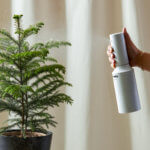
Callisia Plants thrive in average household humidity. If you feel like the air is rather dry, you can mist your plant but not too often so as to avoid fungal problems.
Callisia Plants also love warm temperatures between 60℉-80℉. For optimal conditions, keep your plants away from drafts and vents, while avoiding temperature fluctuations.
During the growing season, you can fertilize sparingly once a month with a water-based formula. A slow release pellet feed would also give your plant plenty of nutrients every three to four months.
The Callisia Plant is toxic to pets and humans.
The stems of this plant naturally trail, but pinching them back encourages branching and keeps the plant compact and full. To do this, simply cut through the stem between two leaves. Avoid getting the leaves wet, which can cause spotting or discoloration. If you notice the bold, striped coloration is fading, move the plant to an area with brighter indirect light.


Callisia plants are native to a wide range of places, from Texas through Central America, the Caribbean, and much of South America. This plant grows in a tropical climate where it must endure a dry season. This means the plant is well-equipped to overcome an irregular watering schedule, making it perfect for busy or forgetful plant parents! Keep it in bright indirect light and prune the stems back regularly with a pair of plant snips to maintain its bushy, compact growth habit.
This plant has succulent-like vines that help it store water!