Use these instructions to care for an Prayer Plant. This guide will tell you how to water an Prayer Plant; its light, temperature, humidity preferences and any additional care it might need to help it grow.
Your Prayer Plant prefers bright, indirect light. Direct sun can cause the leaves to fade and scorch.
Water when the soil volume is 25% dry. Water until liquid flows through the drainage hole and discard any that accumulates in the saucer.
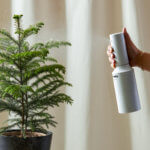
This plant prefers above-average humidity. Use a pebble tray, place a humidifier nearby, or mist often.
Prayer Plants prefer temperatures between 68° – 85°F.
Feed once a month during the spring and summer with an all-purpose fertilizer for indoor plants. Never apply fertilizer to dry soil.
This plant is considered non-toxic and pet-friendly.
You can prune your Prayer Plant to encourage full, vigorous growth. Use a sterilized pair of sharp scissors and clip the stems right above a leaf node. You’ll soon notice new growth emerging directly below the cut area.
Your Praying Plant requires bright, indirect light while avoiding direct exposure to the sun, which scorches the leaves. While the Praying Plant might tolerate dimmer light, it tends to get leggy under those conditions. Thus, you might consider using a grow light to ensure a healthy dose of illumination. Although the Praying Plant goes into dormancy in the winter, you can still expose it to indirect light to keep it actively growing.
The best time to water your plant is when the soil is 25% dry to prevent it from getting waterlogged. You can also maintain a schedule of watering once or twice a week during the spring or summer while scaling back to once a week in the fall and winter. Additionally, your Praying Plant prefers distilled or filtered water.
Your Prayer Plant also loves humidity, so a humidifier would provide a great supplement if the air is dry. You can also set your planter on a pebble tray with water or mist the leaves often.
Luckily your average room temperature will keep your Prayer Plant happy, especially if it remains above 60℉. With this tip in mind, you might want to keep your Prayer Plant away from drafts and vents.
Fertilizing your plant twice a week also enhances your plant’s growth. You’ll need a water-soluble houseplant formula measured out and diluted to half strength.
The Prayer Plant is pet friendly and non-toxic to humans.
You can prune your Prayer Plant to encourage full, vigorous growth. Use a sterilized pair of sharp scissors and clip the stems right above a leaf node. You’ll soon notice new growth emerging directly below the cut area.
Your Prayer Plant prefers bright, indirect light. Direct sun can cause the leaves to fade and scorch.
Water when the soil volume is 25% dry. Water until liquid flows through the drainage hole and discard any that accumulates in the saucer.
This plant prefers above-average humidity. Use a pebble tray, place a humidifier nearby, or mist often.
Prayer Plants prefer temperatures between 68° – 85°F.
Feed once a month during the spring and summer with an all-purpose fertilizer for indoor plants. Never apply fertilizer to dry soil.
This plant is considered non-toxic and pet-friendly.
You can prune your Prayer Plant to encourage full, vigorous growth. Use a sterilized pair of sharp scissors and clip the stems right above a leaf node. You’ll soon notice new growth emerging directly below the cut area.


The Red Prayer Plant has soft dark green leaves with feathered, painterly-like centers of light green and red veins. The colorful foliage and slow growth make this a perfect plant for window sills, mantles, or shelves that need a splash of color.
The Red Prayer Plant is an easy plant—place it in a sunny spot, keep it’s soil damp, and mist it’s leaves once a week and it will flourish.
The Red Prayer plant gets its name from the way the leaves fold in the evening because they resemble hands folded in prayer. They are native to the rainforests of Brazil, and although this houseplant is somewhat tolerant of low light conditions, the Prayer Plant prefers bright, indirect sunlight and high humidity.
The leaves of Prayer Plants follow the light. You’ll notice the leaves folded in and more compact at night, while they open up with the sun each day.