Plant Care
Is Air Conditioning Bad for Plants?
Written by Lindsay Pangborn

You may enjoy throwing on the AC when it gets hot and muggy outside, but how does your plant react to the cooler, drier effects of air conditioning? Many plants thrive in hot and hazy weather, especially tropicals like money trees and dracaenas that are native to humid jungle habitats. The cool, dry air that’s comfortable for us is unfortunately not as beneficial for many houseplants.
How Air Conditioning Affects Plants
The biggest downfalls for plants that come from using air conditioning are lower temperatures and humidity. Here are a few signs that your plants are suffering from the cool, conditioned air in your home:
- Your plant is rapidly dropping leaves or petals
- Your plant’s leaves are fading or turning yellow
- Your plant’s leaves are turning brown around the edges
- Your plant is beginning to droop
- Your flowering plant is not flowering anymore
- Growth has slowed or stopped
The good news is that you don’t have to turn off your AC or risk giving up indoor gardening altogether—here are a few different ways you can combat the negative effects of air conditioning on your plants.
How to Protect Your Plants From Air Conditioning

Choose a Better Location
It’s critical to move your plant away from air conditioning vents, as the direct blast of cold air dehydrates your plants and can even damage plant cells. In fact, the same can be said for plants that are placed near windows or doors that are frequently opened during the colder months of the year.
Try moving your plants to warmer rooms or far away from air vents, as long as those new locations also provide the lighting conditions needed for that specific plant. Areas in your home such as kitchens, bathrooms, and laundry rooms tend to remain more humid and warm.
Boost Humidity Levels
Once you’ve moved your plant to a better location, it can help to increase the indoor humidity level around your plant to help it thrive. Air conditioning can be drying, causing the humidity to land somewhere between 30-40% in most air conditioned rooms. The ideal humidity level for houseplants is between 40-60%, with tropical plants preferring the higher end of the range.
In reality, it’s not practical or helpful to keep your entire home that humid. However, it is possible to create humid microclimates—small areas around your plants that retain more water vapor in the air. Here are a few strategies to try:
- Use pebble trays: Place a layer of pebbles in a shallow tray, add water until the pebbles are not quite covered, and set the potted plant on top. The pebbles hold the plant above the water so the roots aren’t submerged. The water in the tray continually evaporates, increasing the moisture in the air around the plant. Top up the water level when it gets low.
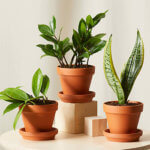
- Group plants together: Create a pocket of increased humidity by placing several plants in a group. As the plants transpire, water vapor is released to the air and trapped within their crowded canopies. You can also hide a dish of water in the center of the plants to further increase the amount of water vapor in the air.
- Add a humidifier: This is one of the most effective options and can be beneficial for plants and humans alike. Adding humidity to dry rooms will keep your plants hydrated and prevent you from developing dry, irritated skin.
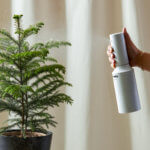
- Mist your plants: Misting the leaves of your plant can raise the humidity as the water droplets evaporate into the air. However, the effect is very short-lived, so it’s best to pair this method with one listed above to have a measurable boost in humidity. Something to note: you should never mist plants with fuzzy leaves, such as African violets, purple hearts, and streptocarpella, to name a few. The “hairs” on the leaves hold water in place, encouraging disease and leaving spots on the foliage.
Avoid Air Conditioning Stress Altogether

Almost all of the indoor foliage plants we carry in our online plant store can live outside for the summer—and they’ll be happier for it! But be sure to pay attention to the weather report. It’s safe to move your plants outside when the outdoor temperatures stay consistently above 50°F. If nighttime temps fall below 50°F, bring your plants in for the night.
Outdoor Lighting for Indoor Plants
The first thing to consider is the intensity of the outdoor sunlight. It’s best to place your plants in protected locations that mimic their indoor lighting needs. Most houseplants will be happy in bright, indirect light on a covered porch or under a shade tree. Introduce them slowly to the outdoors, letting them spend an hour the first day, then a few hours the next day, and so on, to avoid the shock that can come with exposure to new temperature extremes.
Even plants that can handle high light, such as birds of paradise, sansevierias, ponytail palms, succulents, and cacti, need time to adjust to the intensity of the full outdoor sunshine after living indoors. If your plant will receive any period of direct sunlight, be sure to acclimate it slowly over the course of a week or two in order to avoid sun scorched leaves.
Outdoor Watering for Indoor Plants
The same watering principles for your indoor plant apply outdoors: regularly check the soil moisture and water thoroughly when your plant’s soil has dried down its preferred amount. Start by checking the soil every day as some plants may require more frequent watering once moved outdoors. Of course, your plants will also be able to enjoy the rainfall, but remember to remove saucers so that water can freely drain. And as always, keep an eye out for turbulent weather—high winds can topple or damage your plant.


